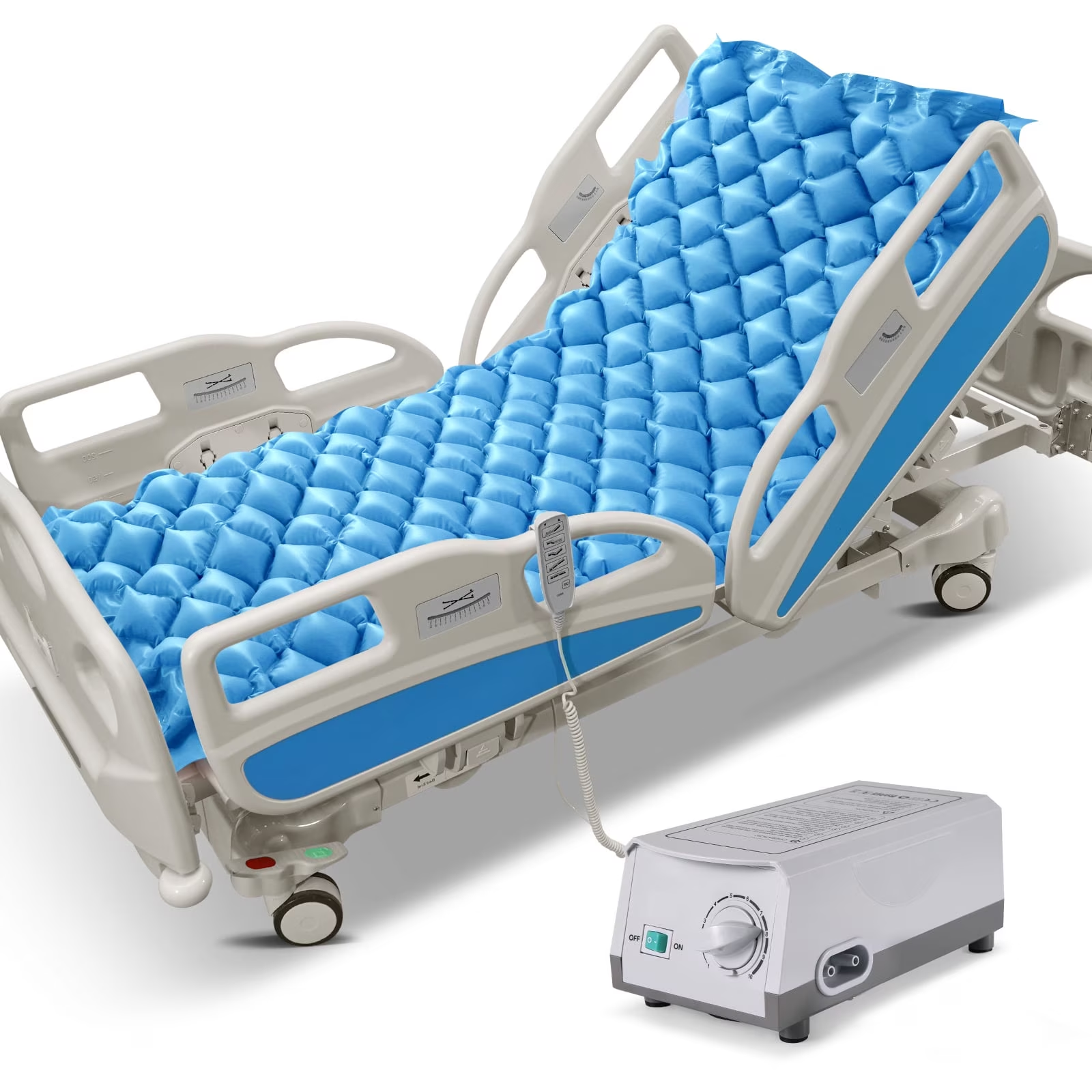
Quick answer: The usual Kenyan home care buy is a 2-crank manual bed at KSh 30,000. If the caregiver repositions the patient all day, buy the 3-function electric bed at KSh 120,000. If the patient cannot turn, add a ripple mattress at KSh 6,000. Hospital Beds Kenya delivers and sets up in Nairobi the same day.
What to look for in a home, not a ward
- Adjustability. Backrest for feeding and breathing. Foot elevation for swelling. Height for transfers to a wheelchair.
- Side rails. Collapsible rails reduce night falls without trapping the caregiver.
- Castors with brakes. Lock them once the bed is parked. Never leave a bed free-rolling on a tiled floor.
- Wipe-clean surfaces. ABS boards and a waterproof mattress cover matter more at home than a branded ICU frame.
- Price. See the 2026 price list.
Recommended setups
| Situation | Bed | Add | Total from |
|---|---|---|---|
| Short recovery, sits up for meals | Single crank KSh 25,000 | Foam mattress if needed | 25,000 |
| Typical home care, caregiver can crank | 2-crank KSh 30,000 | Ripple if bedridden | 30,000 |
| Frequent positioning, one caregiver | 3-function electric KSh 120,000 | Ripple KSh 6,000 | 126,000 |
| Clinic or small ward at home | 3-crank hi-lo KSh 70,000 | Bedside locker KSh 11,000 | 81,000 |
Decision detail on electric vs manual.
Room, doorway and power
Measure the door width, the corridor turn and the wall where the head of the bed will sit. Beds are typically 2060 to 2100mm long and 900mm wide. Leave space on one side for a caregiver and a commode. Put an electric bed on a socket that will not be unplugged for the iron or the kettle. Manual beds skip that problem entirely. Step by step on measuring the room.
Mattress for a bedridden patient
A hospital foam mattress at KSh 12,000 is wipe-clean and firm. It is not a pressure-relief system. A ripple mattress with pump at KSh 6,000 alternates air cells so the same skin point is not loaded all night. Use it when the patient cannot turn independently, and keep to the turning schedule the nurse gives you.
Care situations
Stroke at home
Positioning, transfers and the affected side.
Post-surgery recovery
Short-term use, usually the cheapest frame.
Elderly parent
Night falls, dignity and getting out of bed.
Bedridden patient
The full room list, in order of importance.
Pressure sore prevention
Equipment side of a nurse-led plan.
Palliative care
Comfort, access and a fast delivery.
Hip fracture
Height, rails and safe standing.
Spinal injury
Long-term setup, transfers and skin.
Dementia care
Rails, bed height and night wandering.
Heavier patients
Load ratings and width, checked honestly.
Oxygen and ventilator
Room layout when machines are involved.
Setup in Nairobi and other towns
Free assembly and caregiver training are included on Nairobi delivery, same day if the order is confirmed before 2pm. Showroom: Ronald Ngala Street, Post Office Building, 4th Floor. Upcountry delivery to Mombasa, Kisumu, Eldoret, Nakuru and Thika is booked after a phone confirmation, typically 1 to 3 days. See delivery locations.
Frequently asked questions
What is the best hospital bed for home care in Kenya?
A 2-crank manual bed at KSh 30,000 for most families, or a 3-function electric bed at KSh 120,000 when a single caregiver has to reposition the patient many times a day. Add a ripple mattress at KSh 6,000 if the patient is bedridden.
Will a hospital bed fit in a normal Kenyan bedroom?
Usually. Allow about 2.1m of wall length plus room to stand on one side. Measure the doorway and the corridor turn before delivery day.
Do you set the bed up in the house?
Yes. On Nairobi deliveries the team assembles the bed in the room and shows the caregiver how to work the cranks or handset before leaving.
Need a home care bed this week
Call with the patient's mobility, your town and your budget. We name one bed, not a catalogue.
Page updated 2026-09-08. Prices confirmed on the call before dispatch.